A property manager rarely deals with graffiti in isolation. A tagged wall may sit beside a busy tenant entrance, a delivery route, or an area already scheduled for repairs. Coordinating commercial graffiti removal means restoring appearance while keeping the property usable and the maintenance process accountable.
For San Francisco commercial buildings, Oakland retail properties, and Berkeley apartment complexes, the most effective starting point is an organized scope. Identify the surfaces, the approval process, and the working conditions before seeking a price. This guide shows how to plan graffiti removal services that fit a managed property rather than treating each incident as an improvised emergency.
Create a useful property incident record
Record the location of each marking, its approximate size, and the date it was discovered. Use wide photographs to show the building context and close-up images to show the material and paint coverage. Document any existing damage so the cleaning result can be assessed fairly afterward.
A simple site map helps when a property has multiple elevations or separate parking areas. Distinguish between owner-controlled walls, tenant signs, and neighboring property. Attach known coating details, previous removal methods, and access instructions. These records save time during estimates and help prevent incompatible treatments on repeat incidents.
Match the method to each part of the building
Storefronts and retail properties
Glass, metal frames, painted panels, masonry, and signs may all appear on one frontage. A remover appropriate for a concrete wall could damage a coated sign. The contractor should inspect these materials separately and plan protection for neighboring finishes. Storefront pressure washing can be coordinated with graffiti cleanup, but it still needs a distinct surface assessment.
Apartments and parking structures
Apartment walls, garage doors, fences, and concrete columns differ in texture and coating. Parking structures also introduce vehicles, drainage channels, low clearance, and pedestrian routes. Controlled methods and compatible products are essential; using more pressure to speed up a large project can leave permanent surface differences.
Build access into the scope
Confirm water access, loading arrangements, and any restrictions on equipment or hoses. Specify the entrances that must remain available to tenants and the areas where temporary barriers are acceptable. For work above ground level, discuss suitable access equipment and any approvals needed before scheduling.
San Francisco properties can have limited curb access, while East Bay sites may have large shared parking areas. Neither condition should be assumed from the address alone. Share operating hours, alarm procedures, and building contacts so the contractor can assess the actual site rather than relying on a generic work plan.
Protect occupants and communicate changes
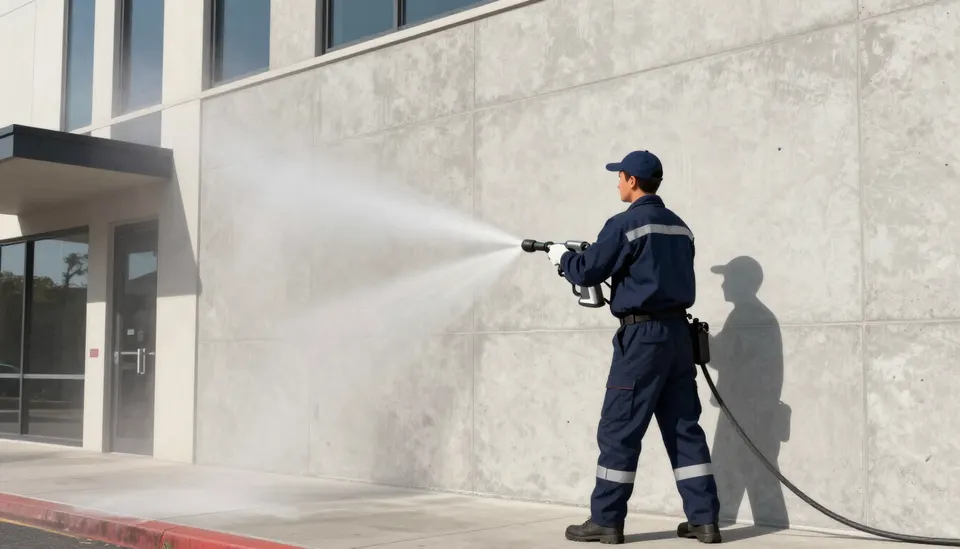
Inform tenants or staff about the planned cleaning window and areas to avoid. Wet surfaces, spray, hoses, and equipment need appropriate separation from the public. Coordinate with deliveries and other contractors to prevent overlapping activities from creating hazards or damaging freshly treated surfaces.
One designated site contact should be available to approve changes. If a test patch reveals an incompatible coating or weak masonry, the team may need to revise the method or scope. Establish how those decisions will be documented before work starts so a crew does not make unapproved repairs under time pressure.
Ask for a clear wastewater management plan
Commercial graffiti cleaning may produce water containing paint residue, dirt, and cleaning chemicals. The proposal should account for containment and collection, especially near sidewalks, parking drains, and landscaped areas. Ask where collected material will go and how the contractor will confirm an appropriate disposal route.
Do not assume that an interior parking drain connects to a sanitary sewer or that a biodegradable product permits discharge. Requirements depend on the site and the relevant local authority. Prevent contaminated wash water from entering storm drains, and verify any necessary permissions before work is authorized.
Compare written proposals, not just totals
A useful proposal identifies the affected areas, surface-specific methods, site protection, cleanup, and exclusions. It should explain expected results and any limitations, such as residual shadowing on porous masonry. Confirm whether multiple treatments, protective coating, or repainting are separate items.
- Ask for current insurance documentation required by the property.
- Confirm who supplies access and water.
- Identify the approval contact for additional work.
- Clarify pedestrian and vehicle management arrangements.
- Request completion photos and product information.
These details make it easier to compare commercial graffiti removal contractors and evaluate the completed work. A brief description such as clean all walls can leave too much room for disagreement about which surfaces and treatments were included.
Establish a practical maintenance rhythm
Inspect vulnerable areas during routine property walks and record new markings promptly. Early reporting helps the contractor assess fresh incidents before several layers accumulate. Keep successful cleaning methods in the maintenance file, along with any coating manufacturer instructions and reapplication dates.
For repeatedly targeted surfaces, consider compatible anti-graffiti coating services. Coatings may simplify later cleaning but do not prevent vandalism and can require renewal. Combine this discussion with broader exterior maintenance, including sidewalks and storefronts, so decisions support the building’s condition rather than adding isolated treatments without a plan.
For related guidance, read our graffiti removal cost guide and explore our professional graffiti removal services. For cleaning beyond graffiti, see our pressure washing services.
Frequently asked questions
Can graffiti cleaning take place while tenants are onsite?
Sometimes, with appropriate barriers and safe alternate routes. The work zone, chemical use, and access conditions determine whether occupied-site cleaning is practical.
Should a property manager arrange recurring removal?
A maintenance agreement may help organize response and documentation. Frequency and scope should reflect actual incidents, surface condition, budget, and contractor availability.
Are all stains in a parking structure graffiti?
No. Oil, tire marks, rust, and other deposits require different treatment. Identify each issue in the scope rather than assuming a graffiti remover addresses every stain.
Request a managed-property estimate
Contact Bay Area Graffiti Removal Service for a free estimate on your commercial building, retail frontage, apartment complex, or parking structure. Share a site map, photos, and access requirements. We can discuss graffiti removal and exterior cleaning options throughout San Francisco and the Bay Area.
Find the right service for your property
Tell us about your surface, location, and access requirements before choosing a cleaning method.
Explore related services Contact our team