
When graffiti appears on a wall, painting over it can seem like the fastest solution. Sometimes repainting is sensible; sometimes it creates a patch that stands out more than the original mark. Professional graffiti cleaning may preserve a natural surface, but it is not automatically the right choice for every coating or material.
The useful comparison is not removal versus painting in the abstract. It is the condition of your wall, the chemistry of the marking, the existing finish, and the appearance you want to maintain. San Francisco and Bay Area property owners can make a better decision by assessing these factors before committing to either approach.
Begin with the original surface
Bare brick, decorative concrete, natural stone, and other unpainted materials usually have a visual character that painting would change. Removing graffiti may preserve that appearance when compatible methods are available. Painting an isolated section of an unpainted wall introduces a different maintenance obligation and can be difficult to reverse.
For an already painted wall, selective removal is worth testing, but the existing coating may soften along with the graffiti. The age and condition of the paint matter. If the finish is already peeling or due for renewal, repainting a defined section may fit the broader maintenance plan better than repeated chemical treatment.
What professional graffiti removal involves
Testing and compatible products
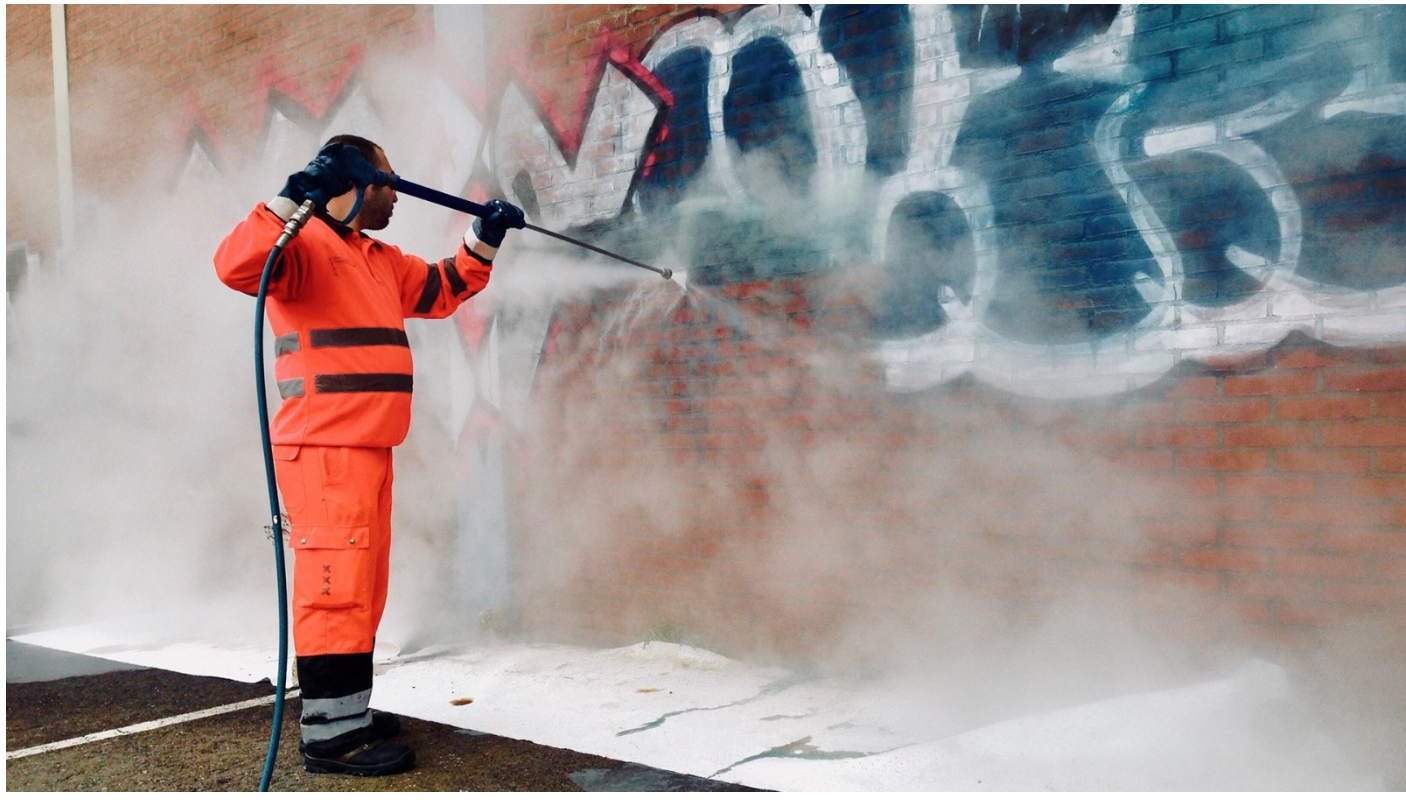
A contractor should inspect the material and test the proposed method in a small area. Specialized removers can loosen spray paint or marker, followed by appropriate agitation and controlled rinsing. Product selection must consider the original finish, not only the unwanted paint. A successful test informs the scope and expected result.
Limitations on porous walls
Paint can settle into the pores of brick and concrete. Cleaning may remove the main tag while leaving a faint shadow. Increasing pressure to eliminate every trace can damage the surface. A professional should explain when another treatment is justified and when pursuing a perfect visual match would carry too much risk.
What painting over graffiti involves
Painting is not simply applying a coat over whatever is present. The surface may need cleaning, removal of loose material, compatible preparation, and an appropriate primer. Some markings can bleed through unsuitable paint systems. Follow coating manufacturer guidance and discuss whether the underlying graffiti should be treated first.
Color matching can be difficult because sunlight, moisture, and age change existing finishes. A small patch may look acceptable while wet and become obvious after drying. Repainting an entire panel or architectural section often creates a more deliberate result than an irregular patch, but it also increases the area and cost of the work.
Compare cost over the maintenance cycle
Cleaning prices depend on area, coverage, porosity, access, and wastewater handling. Painting costs depend on preparation, coating selection, color matching, and how much of the wall must be repainted. Neither option is inherently cheaper in every situation. Ask for separate, clear scopes if both are being considered.
Repeated painting can create layers and texture differences that affect future appearance. Repeated incompatible cleaning can also harm the original finish. Property managers should consider the likely frequency of incidents and the condition of the building, rather than choosing solely on the lowest immediate price.
Appearance and long-term protection
If the priority is preserving exposed brick or a distinctive concrete finish, discuss graffiti removal contractors with relevant material experience. Historic or architecturally significant surfaces may need specialist advice and approval. An apparently quick repaint can alter the character of a facade and should not be treated as a neutral choice.
After appropriate cleaning or repainting, a compatible anti-graffiti coating may help with later incidents. Sacrificial coatings need replacement after removal, while non-sacrificial systems use specified cleaning methods. Coatings have limitations and may change sheen or vapor behavior, so a test and manufacturer guidance remain important.
Practical questions for your estimate
- Is the wall bare material or an existing painted finish?
- Will selective cleaning damage or lift the original coating?
- Would repainting require a whole panel for a consistent appearance?
- Are there existing sealers or protective coatings?
- What preparation, cleanup, and follow-up work is included?
- How will runoff and paint-related waste be handled?
Ask the contractor to explain the expected appearance after the surface is fully dry. Compare options using those expectations, not only photographs taken immediately after cleaning. Document the selected products and method so future maintenance can remain compatible.
Safe work matters for both options
Graffiti removal can produce wastewater carrying chemicals and paint particles. Painting can involve preparation waste, product handling, and access hazards. Both require appropriate site protection, occupant coordination, and disposal practices. Unknown older coatings may need specialist evaluation before they are disturbed.
For San Francisco storefronts, Oakland apartment buildings, and Berkeley commercial walls, communicate operating hours and pedestrian routes in advance. The contractor should plan safe access and protect nearby surfaces. Urgent cosmetic concerns do not remove the need to confirm local requirements and prevent contaminated runoff from reaching storm drains.
For related guidance, read our graffiti removal cost guide and explore our professional graffiti removal services. For cleaning beyond graffiti, see our pressure washing services.
Frequently asked questions
Is painting over graffiti always faster?
Not necessarily. Preparation, matching, primer requirements, and drying times can affect the schedule. Cleaning also varies by material and marking, so compare a site-specific plan.
Can graffiti be removed without affecting existing paint?
Sometimes, but compatibility testing is essential. Some removers affect both layers, which may make controlled repainting a more practical option.
Which option is better for exposed brick?
Compatible removal is often considered first to preserve the natural appearance. Fragile or historic brick may need specialist advice before any treatment is selected.
Choose the approach your wall needs
Contact Bay Area Graffiti Removal Service for a free estimate and a surface-specific assessment. Send photos of the graffiti and surrounding wall, along with any coating information. We can discuss cleaning options and help you understand when repainting or protective coating should be considered for your Bay Area property.
Find the right service for your property
Tell us about your surface, location, and access requirements before choosing a cleaning method.
Explore related services Contact our team