
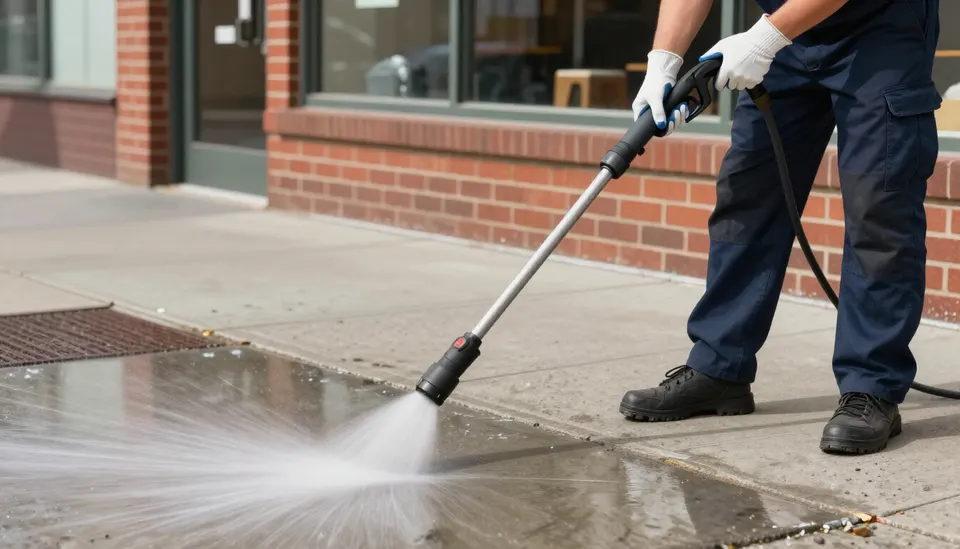
The sidewalk outside a business is part of the customer’s first impression. Dirt, gum, greasy deposits, and tracked-in residue can make an otherwise well-maintained storefront look neglected. Professional sidewalk pressure washing can improve cleanliness and appearance, provided the method is suited to the paving and the work is organized responsibly.
For San Francisco retailers, Oakland restaurants, and other Bay Area businesses, sidewalk care should be part of a wider maintenance plan. Cleaning can address deposits, but it does not fix cracked concrete, uneven paving, or drainage faults. This guide explains the practical benefits and the questions to ask before booking a service.
A cleaner approach to your storefront
Removing accumulated surface dirt can help an entrance look more cared for. Gum spots and greasy footprints can be particularly noticeable near doorways and outdoor seating areas. A clearly defined cleaning scope helps maintain a consistent appearance rather than leaving isolated bright patches surrounded by older buildup.
Storefront pressure washing can be coordinated with sidewalk work where suitable, but glass, metal frames, paint, and paving require different treatment. The contractor should protect adjacent finishes and avoid directing water into door thresholds or joints. A clean entrance should not come at the expense of damage to the building.
Address surface deposits before they accumulate
Dirt, litter, and gum
Dry sweeping and removal of loose litter are sensible first steps. Pressure washing should not be used to push debris into gutters or drains. Embedded gum may need targeted treatment and controlled heat rather than repeated high-pressure passes across the whole sidewalk. Each issue deserves an appropriate method.
Grease near food-service areas
Food grease or other oily deposits may need compatible pretreatment and recovery of the resulting wastewater. Older contamination can leave discoloration within porous concrete. Discuss realistic expectations and the source of the deposit so ongoing spills are addressed alongside cleaning rather than simply washed repeatedly.
Cleaning supports better inspections
A cleaner surface can make cracks, failing joints, and uneven sections easier to inspect. Staff can distinguish remaining structural issues from ordinary dirt after the work is complete. Keep completion photos and refer repair concerns to the appropriate property professional; pressure washing does not level paving or correct drainage.
Cleaning may help address some slippery deposits, but it does not guarantee slip resistance or eliminate all hazards. Wet surfaces during and after cleaning need appropriate controls. If traction is a concern, assess the material, slope, drainage, and applicable requirements rather than assuming cleaning alone makes the area safe.
Plan around customers and neighbors
Schedule sidewalk pressure washing for a suitable work window and discuss how people will enter the business. Hoses, equipment, spray, and wet paving can obstruct public routes. Barriers and any necessary approvals should be planned before work starts. A safe alternate route may be required depending on the site.
Busy San Francisco frontages and Oakland neighborhood storefronts can involve neighboring doors, outdoor tables, deliveries, and curb restrictions. Share the actual conditions with the contractor. Notify affected staff and tenants, and avoid scheduling overlapping activities that would route pedestrians through the active cleaning zone.
Protect the concrete and surrounding finishes
Professional concrete cleaning begins with an assessment of age, condition, coatings, and existing damage. Excessive pressure or an unsuitable nozzle can etch the surface or leave lines. New, weak, decorative, or sealed concrete may need a different approach from a heavily used older walkway.
Ask about a small test area and the appearance expected after drying. Not every dark mark is removable dirt; some stains have penetrated the material, and some color differences come from wear or repairs. A careful contractor will explain those limits rather than chasing uniformity through increasingly aggressive treatment.
Keep runoff out of storm drains
Sidewalk wash water can carry detergents, gum residue, grease, and dirt. Identify nearby drains and plan containment and collection before cleaning. Dry sweeping first helps reduce the load, but it does not make the remaining water suitable for uncontrolled discharge.
Confirm an appropriate disposal route with the relevant local authority where needed. San Francisco, Oakland, and other Bay Area sites may have different arrangements and permissions. Biodegradable cleaning products do not automatically authorize runoff into street drains. Wastewater management should be part of the written service scope.
Build a practical maintenance routine
Choose cleaning frequency based on use and visible conditions rather than a universal calendar. A busy restaurant entrance may accumulate deposits faster than an office frontage. Regular inspections can identify gum, spills, drainage problems, and graffiti early, allowing targeted action instead of unnecessary full-surface cleaning.
- Sweep loose debris during routine property care.
- Address the sources of recurring grease or spills.
- Document damaged paving separately from cleaning needs.
- Keep records of products and successful methods.
- Review cleaning frequency as property use changes.
A maintenance routine should preserve the surface, not wear it through frequent aggressive washing. Coordinate with the building owner where the business does not control the sidewalk, and confirm responsibility for repairs, permissions, and cleaning costs.
Explore our pressure washing services and read about pressure washing cost in San Francisco. If paint is the problem, our surface-specific graffiti removal guide explains why cleaning needs a different approach.
Frequently asked questions
Does sidewalk pressure washing remove every gum spot?
Many gum deposits can be treated, but age, paving condition, and the method affect results. Ask for targeted treatment and realistic expectations rather than an unconditional promise.
Can my shop stay open during cleaning?
Sometimes, if a safe route and appropriate separation are possible. The frontage layout and public access requirements determine whether occupied-site cleaning is practical.
Will cleaning repair cracked or slippery concrete?
It does not repair cracks or guarantee traction. Cleaning can reveal conditions that need further assessment, while wet surfaces and remaining hazards still require controls.
Request a sidewalk cleaning estimate
Contact Bay Area Graffiti Removal Service for a free estimate on sidewalk pressure washing and commercial exterior cleaning. Share photos, the property address, and your operating hours. We can discuss suitable care for business entrances in San Francisco, Oakland, and the wider Bay Area.
Find the right service for your property
Tell us about your surface, location, and access requirements before choosing a cleaning method.
Explore related services Contact our team