
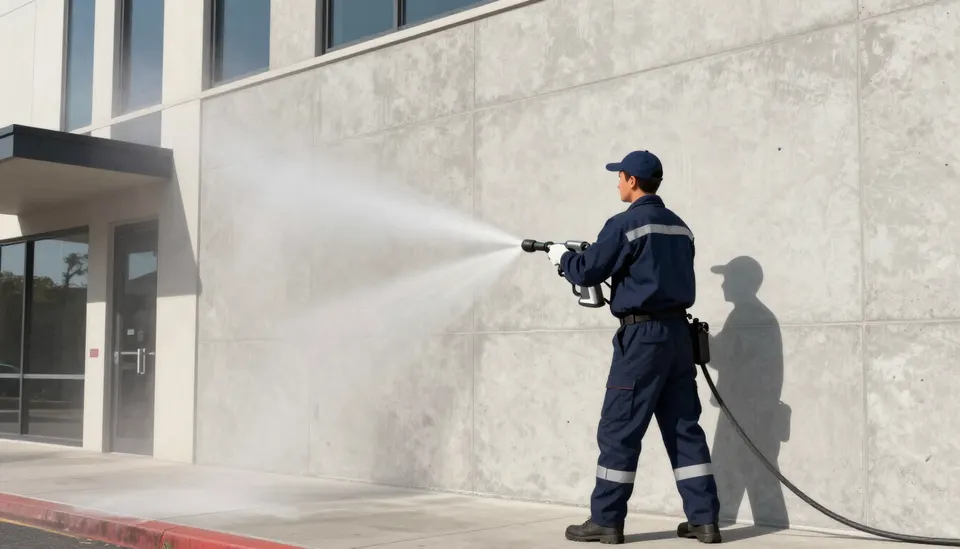
If the same wall is repeatedly tagged, an anti-graffiti coating may be worth considering. These systems can create a barrier between the surface and future markings, making suitable cleanup easier. They do not stop vandalism, eliminate every cleaning challenge, or work equally well on all materials.
Choosing anti-graffiti coating services means evaluating the wall, the coating system, and the maintenance process together. San Francisco and Bay Area property owners should understand the difference between sacrificial and non-sacrificial products before approving an application. This guide explains the main decisions and the practical limitations that belong in a proposal.
What a protective barrier can do
A suitable coating can reduce direct bonding or penetration of graffiti into a compatible surface. Later cleaning may then target the protective layer rather than the underlying masonry or finish. The actual benefit depends on preparation, correct application, paint chemistry, exposure, and the prescribed removal procedure.
No system should be treated as permission to use any solvent or pressure setting. Manufacturer instructions remain important after application. Incompatible removal products can damage the coating or the original surface. A useful plan documents both the application system and the method to use if new graffiti appears.
Sacrificial anti-graffiti coatings
How the system is maintained
Sacrificial coatings are designed to be removed during an appropriate graffiti-cleaning process. The protective layer is then reapplied where needed. This approach can be suitable for certain surfaces, but it creates a recurring application responsibility after incidents. Ask whether coating renewal is included in future cleaning estimates.
Practical considerations
Exposure, material compatibility, appearance, and manufacturer requirements affect product selection. A sacrificial system may change the way the surface looks or behaves, even if described as clear. Test an area and review it after drying. Keep a record of the coating and the approved removal method rather than relying on its general category name.
Non-sacrificial anti-graffiti coatings
Non-sacrificial systems are designed to remain in place through compatible cleaning, within their specified limits. Some may tolerate multiple cleaning cycles, but performance varies with the product, graffiti type, weathering, and cleaning procedure. The word permanent should not be interpreted as maintenance-free or unlimited durability.
Ask how the system is inspected, what indicates renewal is needed, and which removers are approved. A future contractor needs this information to avoid damaging the protective layer. The original installation may also require particular preparation, curing conditions, and environmental limits, which should be included in the project plan.
Surface compatibility comes first
Brick, concrete, painted walls, and metal can have very different requirements. Moisture movement through masonry deserves attention, especially on older walls. A coating can affect sheen, color, texture, or vapor behavior. Product selection should reflect the substrate and manufacturer guidance rather than a promise that an invisible barrier fits everything.
Historic or architecturally significant facades may need specialist review and approval before application. Existing sealers, paint, repairs, and residual contamination can also influence adhesion. Provide known product details and ask whether a compatibility test is required. Coating over a poorly prepared surface can compromise the intended result.
Preparation and application conditions
Graffiti, dirt, grease, and incompatible residue should be addressed through suitable preparation before a coating is applied. The surface generally needs to meet the manufacturer’s cleanliness and moisture requirements. Cleaning and drying are part of the work, not optional steps that can be skipped to meet a rushed schedule.
Temperature, humidity, curing time, and exposure may affect installation. Ask when the area can return to use and how it will be protected during curing. Coating sidewalks, doors, or areas within reach of tenants may require extra coordination. The contractor should explain the sequence and any access restrictions before work starts.
Budget for the full maintenance process
Compare the initial cost with expected future cleaning and renewal obligations. A repeatedly targeted wall may justify a protective system, while an isolated incident on a low-risk surface may not. The decision should reflect actual property conditions rather than a generic claim that coatings always save money.
- Identify the exact product and compatible surfaces.
- Review a dried test area for appearance changes.
- Confirm preparation and curing requirements.
- Keep approved cleaning instructions in property records.
- Ask when reapplication or inspection is needed.
- Clarify whether future removal includes coating renewal.
These details allow a property manager to compare proposals and maintain the system properly. If the coating is sold without a clear removal procedure, ask for that information before authorizing installation.
Responsible cleanup still matters
A protective layer does not make graffiti-removal wastewater harmless. Cleaning can release paint particles, product residue, and coating material, particularly with sacrificial systems. Plan containment and collection, and confirm an appropriate disposal route based on the contents and local requirements.
San Francisco, Oakland, Berkeley, and nearby cities may have site-specific rules and permissions. Keep contaminated runoff out of storm drains. When discussing a coating, ask how future cleaning will be managed at the actual site, including slopes, nearby drains, and occupied areas.
Review our graffiti removal services and anti-graffiti coating options. For more on surface protection, read our brick, concrete, and painted-wall guide.
Frequently asked questions
Will an anti-graffiti coating stop people from tagging a wall?
No. It may help simplify compatible removal, but it does not prevent vandalism. Inspections, documentation, and an organized response remain useful parts of property care.
Is a clear coating always invisible?
Not necessarily. It can change sheen, color, or texture. Evaluate a test area after drying and confirm whether the result is acceptable for your property.
Can any remover be used on a coated wall?
No. Use the cleaning procedure approved for the specific system. Incompatible chemicals, heat, or pressure may damage the coating or the substrate.
Discuss a coating that fits your property
Contact Bay Area Graffiti Removal Service for a free estimate and a discussion of anti-graffiti coating options. Send photos, identify existing finishes, and describe repeat incidents. We can help you plan preparation, compatible cleaning, and ongoing maintenance for your Bay Area property.
Find the right service for your property
Tell us about your surface, location, and access requirements before choosing a cleaning method.
Explore related services Contact our team